
Table of Contents
Pregnancy and childbirth cause many changes in the body, including pelvic floor health. Most women know their weight, posture, and energy levels will change, but not everyone realizes how much the pelvic floor is affected by these changes. These muscles help with bladder and bowel control, core strength, and sexual health every day.
At Optimal Health Family Practice & Medspa, we provide specialized Pelvic Floor Treatment in Provo, UT to help women restore strength, balance, and confidence after pregnancy. Understanding what happens to the pelvic floor during and after childbirth can help you recognize symptoms early and take proactive steps toward recovery.
What Is The Pelvic Floor And Why It Matters
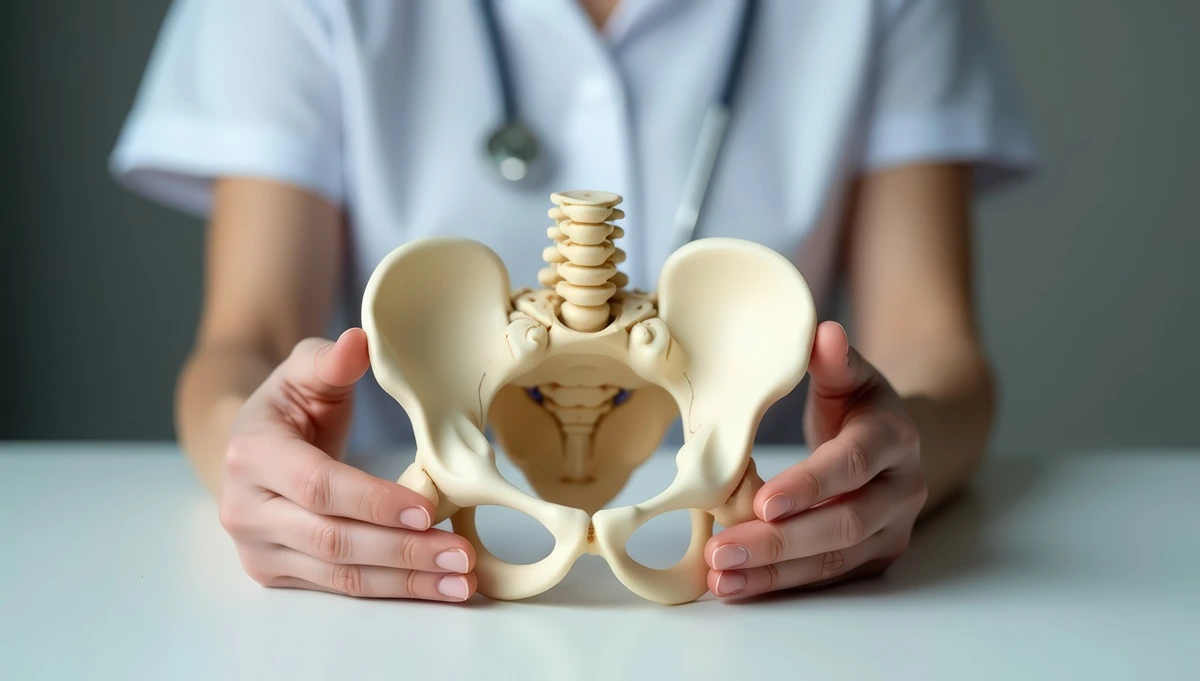
The pelvic floor is a group of muscles that form a supportive sling at the bottom of your pelvis. These muscles hold up the bladder, uterus, and bowel. They help control urination and bowel movements, keep your core stable, and play a part in sexual function.
Your pelvic floor works with your stomach and back muscles to control pressure in your abdomen. Whenever you cough, sneeze, lift your baby, or exercise, these muscles automatically help keep you steady and prevent leaks.
When the pelvic floor muscles are strong and coordinated, they function without you even noticing them. When they become weak, overly tight, or uncoordinated, symptoms can appear that affect daily life. This is where pelvic floor treatment may become necessary to restore proper muscle function.
How Pregnancy Changes The Pelvic Floor
Pregnancy puts steady and significant stress on the pelvic floor.
As the uterus grows, it adds increasing weight directly onto the pelvic muscles. This constant downward pressure stretches the tissues over time. At the same time, hormonal shifts during pregnancy soften connective tissue and ligaments to prepare the body for childbirth. While this flexibility is important for delivery, it can reduce structural support.
Other pregnancy-related changes include:
- Altered posture as the center of gravity shifts
- Increased abdominal pressure
- Changes in breathing patterns
- Reduced core muscle coordination
These combined factors can lead to early symptoms such as mild urinary leakage, pelvic heaviness, or lower back discomfort. Some women begin incorporating pregnancy pelvic floor exercises during this stage to maintain muscle awareness and control. However, if symptoms develop, professional evaluation can provide more targeted guidance.
What Happens To The Pelvic Floor During Childbirth
Childbirth, especially vaginal delivery, puts a lot of strain on the pelvic floor muscles, but this is usually temporary.
During labor, these muscles stretch significantly to allow the baby to pass through the birth canal. In some cases, muscle fibers may tear or become overstretched. Nerves that help coordinate muscle contractions can also experience strain, which may temporarily affect bladder or bowel control.
Even women who deliver by cesarean section are not exempt from pelvic floor changes. Pregnancy itself has already placed months of pressure on these muscles. While the mechanical stress differs from vaginal birth, muscle weakness or imbalance can still occur.
Following delivery, it is common to notice:
- Urinary leakage when coughing or laughing
- Pelvic pressure or heaviness
- A feeling of instability in the core
This is why pelvic floor therapy after childbirth is often recommended when symptoms persist beyond the initial healing phase.
Common Pelvic Floor Symptoms After Pregnancy
Every woman’s recovery after childbirth is different. Some symptoms get better on their own in a few weeks, but others may stick around without help.
Common concerns include:
- Urinary leakage during exercise or sudden movement
- Difficulty fully emptying the bladder
- Pelvic pressure or a sensation of something “dropping”
- Pain during intimacy
- Lower back or hip discomfort
In cases where leakage becomes ongoing, targeted urinary incontinence treatment may be necessary. Some women also experience overly tight pelvic muscles rather than weakness, which can cause discomfort or difficulty relaxing.
Each presentation is unique. A personalized assessment helps determine whether strengthening, relaxation, or coordination training is most appropriate.
Long Term Effects If Pelvic Floor Dysfunction Is Unaddressed
If pelvic floor problems are not treated, symptoms can get worse over time.
Potential long-term effects include:
- Increased risk of pelvic organ prolapse
- Persistent bladder control issues
- Chronic pelvic pain
- Reduced core stability during physical activity
These changes can affect your confidence, exercise habits, and daily comfort. Many women think these symptoms are just part of aging or being a mom, but the truth is that the right pelvic floor treatment can really help restore muscle balance and function.
At Optimal Health Family Practice & Medspa, we design customized care plans that may include strengthening exercises, coordination retraining, and pelvic muscle relaxation exercises when tension is present.
Why Early Awareness Supports Recovery
Noticing pelvic floor changes early can make recovery easier.
It is normal to feel some weakness after childbirth. But if symptoms last beyond the first few weeks, they should be checked out. The sooner you find muscle imbalances, the easier they are to fix.
Early intervention may include:
- Guided strengthening exercises
- Breathing and pressure management training
- Core stabilization work
- Education on proper lifting techniques
With consistent care, many women experience meaningful improvement. Pelvic floor therapy for women is designed to be supportive, private, and focused on restoring confidence in daily life.
Open communication about pelvic health is important. These concerns are common, and seeking help is a proactive step toward long-term wellness.
When To Consider Professional Evaluation
If pelvic floor symptoms do not go away or start to affect your daily life, it might be time to get checked by a professional.
Consider seeking professional guidance if you experience:
- Leakage that continues beyond early postpartum recovery
- Ongoing pelvic discomfort or heaviness
- Difficulty returning to exercise
- Persistent pain during intimacy
At Optimal Health Family Practice & Medspa, we start your care with a private consultation. We look at your symptoms, medical history, and lifestyle to create a treatment plan just for you. Our goal is to help you regain muscle strength, balance, and coordination in a way that feels doable and empowering.
We also provide continued support, recognizing that pelvic floor recovery is often gradual and requires consistency. If you have questions about your symptoms or next steps, contact us for personalized guidance and care.
Regain Strength And Confidence After Pregnancy
Pregnancy and childbirth are major life events, but ongoing pelvic floor symptoms do not have to be something you just live with. With the right information and professional help, many women regain bladder control, strengthen their core, and feel more comfortable.
If you notice changes in bladder control, pelvic pressure, or discomfort after childbirth, our team at Optimal Health Family Practice & Medspa can help. We provide caring and personalized pelvic floor treatment in Provo, UT, to help you regain strength and function.
Regain confidence now with personalized pelvic floor treatment and take the first step toward feeling strong, supported, and comfortable in your body again.